
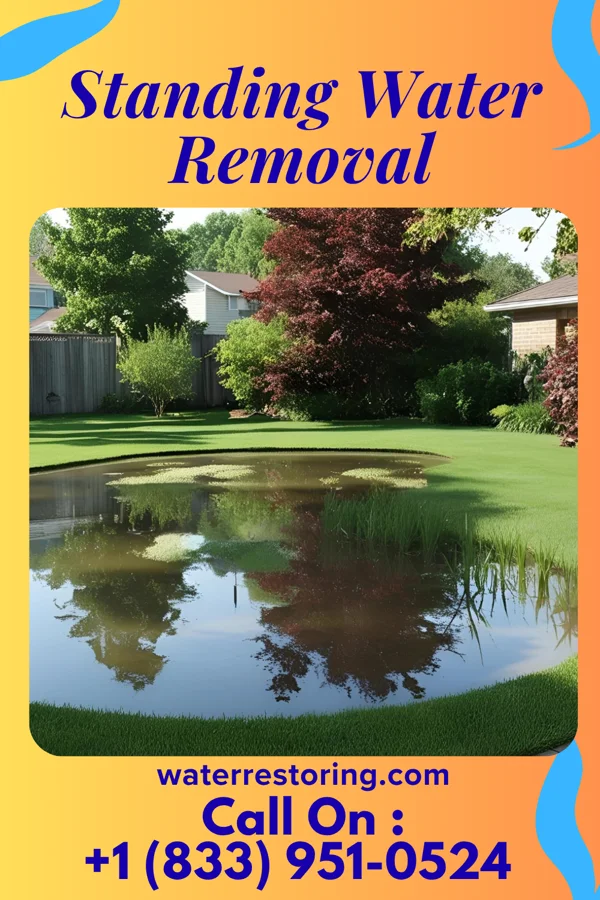
Standing Water Across Fort Yukon Neighborhoods
Every neighborhood in Fort Yukon has a different water damage risk profile. The one that shows up on most restoration calls is In Fort Yukon, Alaska, the primary water damage causes often stem from thawing permafrost and seasonal flooding due to the region's unique Arctic climate. Additionally, leaks from aging infrastructure and malfunctioning septic systems are common in rural areas.. A close second is Secondary causes include heavy rainfall during the short summer season, burst pipes in older buildings, and water intrusion from nearby Birch Creek. These issues are exacerbated by the remote location and limited access to emergency services..
Fort Yukon experiences extreme cold and thawing permafrost, which can lead to sudden ground shifts and water accumulation. The region's proximity to the Yukon River also increases the risk of flood-related water damage during spring thaw.
Water damage in Fort Yukon follows a few local patterns. In Fort Yukon, Alaska, the primary water damage causes often stem from thawing permafrost and seasonal flooding due to the region's unique Arctic climate. Additionally, leaks from aging infrastructure and malfunctioning septic systems are common in rural areas. accounts for the bulk of our calls. Fort Yukon experiences extreme cold and thawing permafrost, which can lead to sudden ground shifts and water accumulation. The region's proximity to the Yukon River also increases the risk of flood-related water damage during spring thaw. Mold growth in Fort Yukon can occur rapidly due to high humidity and temperature fluctuations, especially in poorly ventilated structures. Prompt action is critical to prevent long-term health and structural issues.
For public guidance on the health effects of mold after prolonged water exposure, see the EPA mold and health page.